
|
|
|
| Welcome to Turizm.net! |
MEAT DISHESTurks, who were nomads in Central Asia
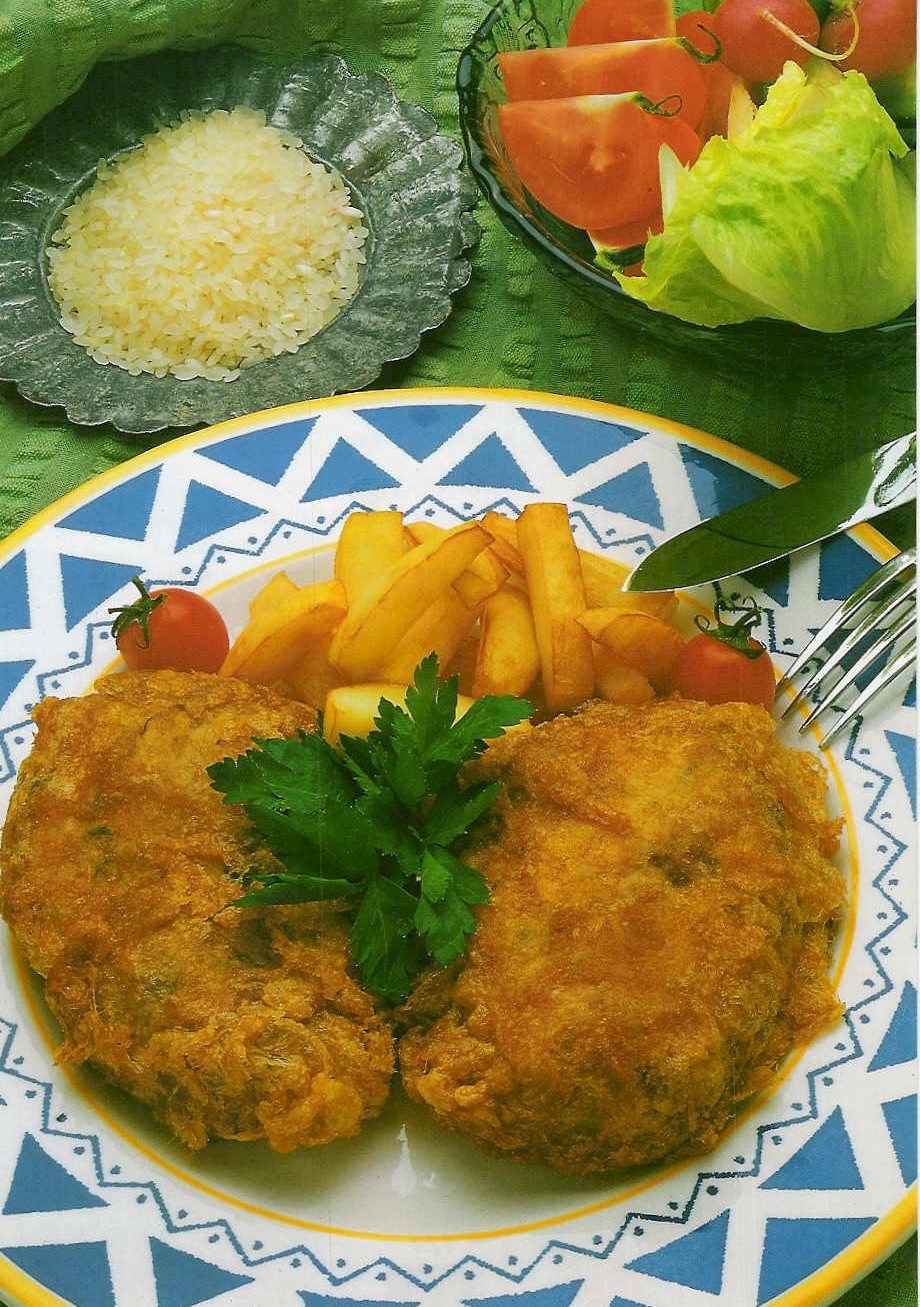
had a diet consisting mainly of meat, After settling in Anatolia this meat based diet continued and in spite of inflated meat prices today, still continues. Restaurants specialized in cooking meat (kebap houses), specialized in offal dishes (tribe soup shops) and stores selling only meat (kasap) are the silent witnesses of this old meat diet tradition. In feasts, celebrations and weddings, animals are eaten whole rotating on a metal wire hung over charcoal or meat is cut into huge slices and grilled whereas housewives cook meat after cutting into bitable sizes or after mincing. There are many varying meat dishes in the Turkish cuisine. These dishes differ according to cooking methods which are named grills, casseroles, stews, cevirme-rotating over fire, tava-frying, kavurma-cooking with own juice, sahan-in the pan, yahni-cooked with tomato paste, bugulama-steame.j, boiled. Meat is flavoured with vegetables, fruits or milk either by marinading or cooking together. The most known meat dishes are doner, kebap, meatballs and stuffed varieties. Traditionally, lamb and mutton are the basic sources of the Turkish diet. However beef has entered Turkish kitchen and seems to be the leading meat source in West Anatolia. Pork never enters a Muslim kitchen although wild boar is often hunted. One interesting reality is that cooking camel meat is permitted by Islam but camels are only seen at touristic towns posing to cameras with a hat on. Additionally hare and deer are cooked rarely in regional cuisines. Thyme, mint, mild or hot red paprika, cumin, parsley and bay leaf are the most usual companions to meat which is nearly always cooked, marinated or served with onion.
|
||
|
|
|
Home |
Turkey I
Cities & Sites
I Hotels I
Blue Cruise
I Tours I
Contact Us |
Search I
Ask for a quote to compare:
Cruises I
Biblical Tours I
Incentive Travel I
Hotels I
Transfers
Copyright � 1995-2016 Turizm.net
All rights reserved.
 yoghurt and cheese. As hunting is one of the main sources of food, wild animals
possessed considerable importance for nomadic Turks. Although Turks are freedom
loving and impatient, when it comes to cooking meat they are patient enough to
try a variety of methods to improve the taste and texture of meat.
yoghurt and cheese. As hunting is one of the main sources of food, wild animals
possessed considerable importance for nomadic Turks. Although Turks are freedom
loving and impatient, when it comes to cooking meat they are patient enough to
try a variety of methods to improve the taste and texture of meat.