|
|
|
| Welcome to Turizm.net! |
DESSERTSAfter accepting Islam in the 9th
century, the Turks are celebrating a "Festival Traditionally, guests present their hosts with desserts in Turkey. The idea stems from the philosopy "who eats sweet, talks sweet." All towns have small dessert shops, namely muhallebici.
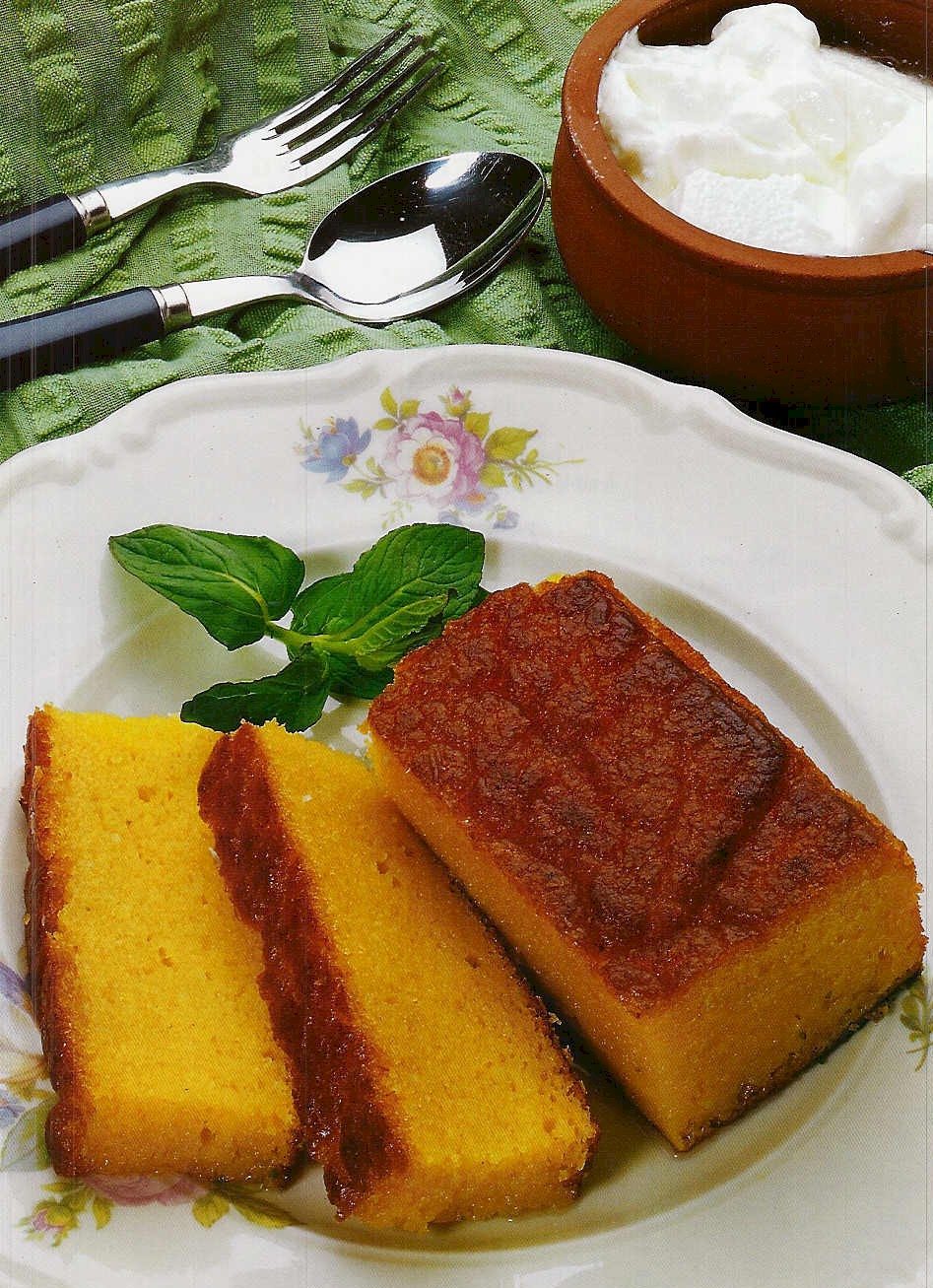
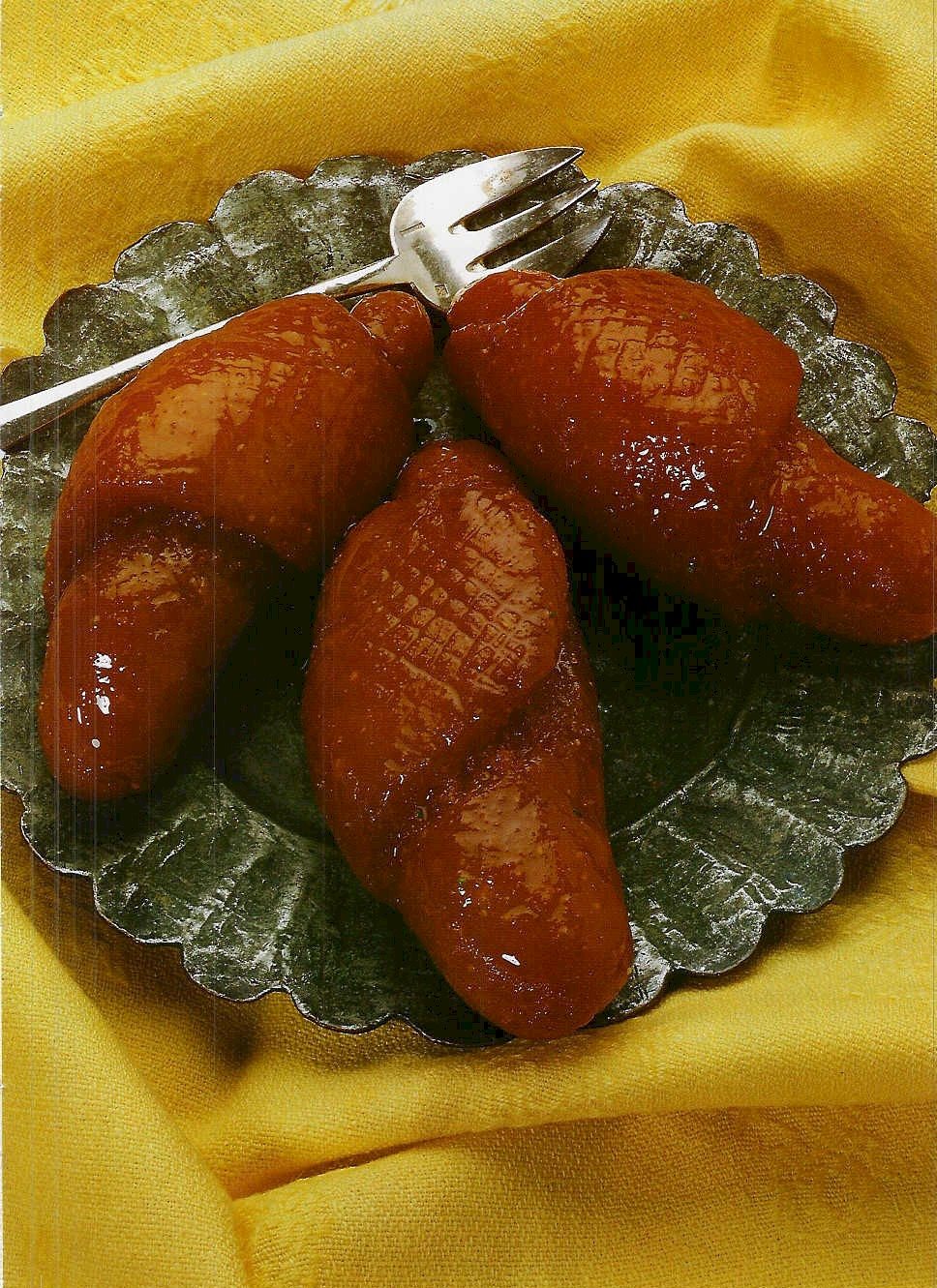
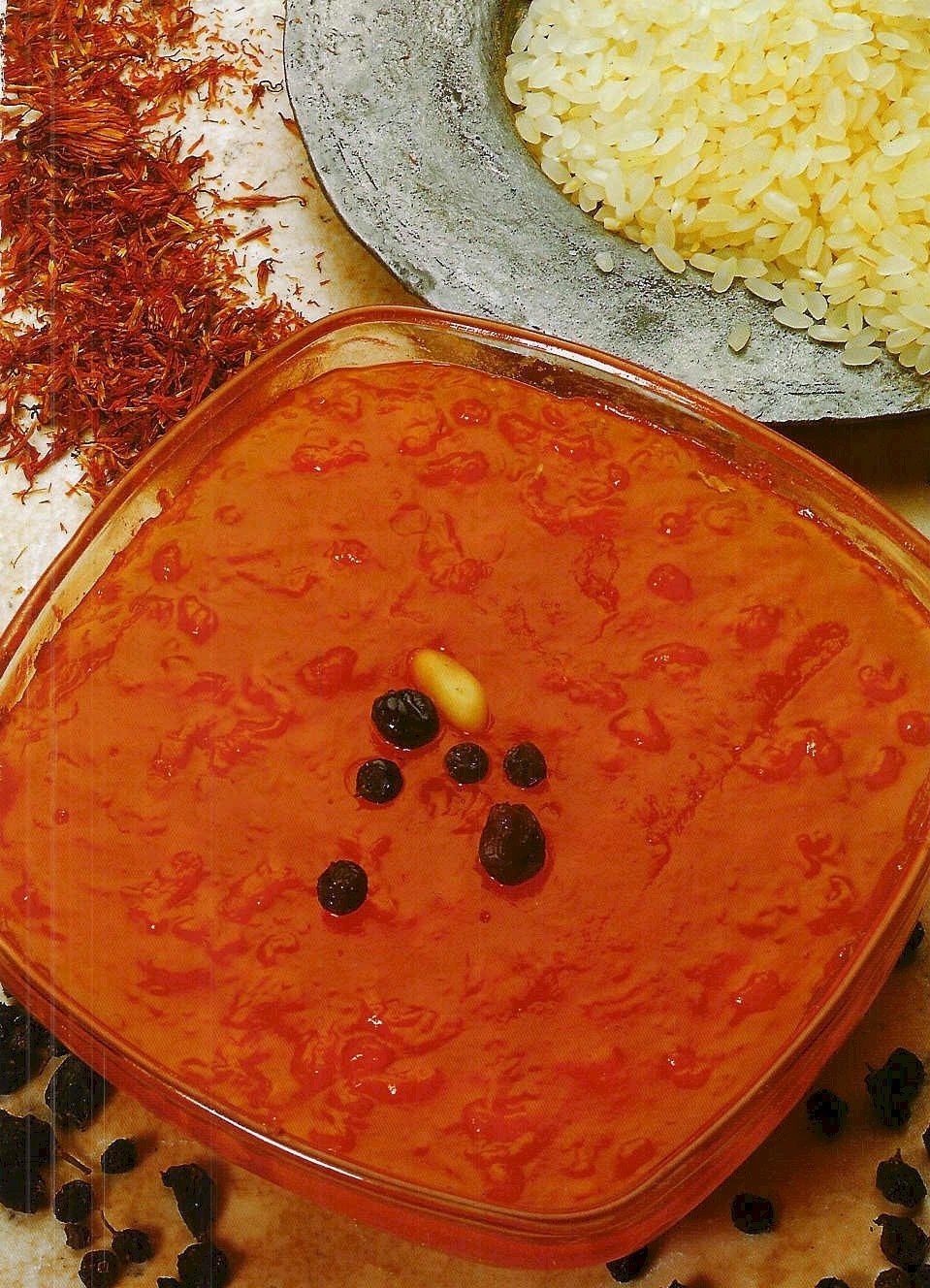
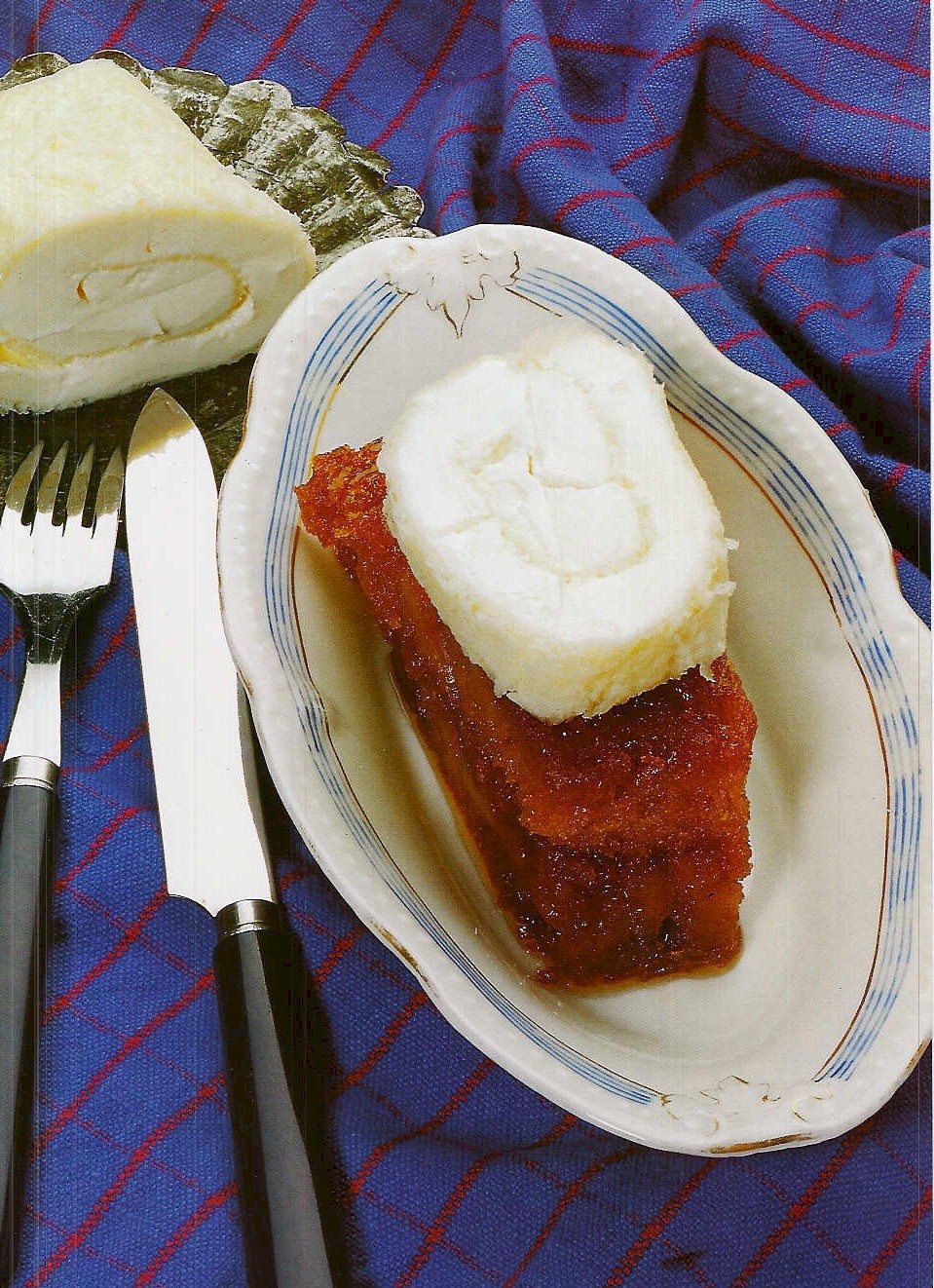
Milk puddings are frequently cooked by housewives as they are simple to cook and light. Babies start nutrition with milk pudding muhallebi when their mothers cease to breast-feed them. Sutlac made with rice; dried apricots stuffed with clotted cream and nuts; red, jelly and pungent quince dessert are some examples. Syrupy desserts and fruit desserts may be eaten with clotted cream.Fruits are also used to make jams and compotes. There are some desserts made on religious occations. Noah's arc dessert and gullac, thin sheets of pastry rested in milk are gifts of Islam to Turkey. In Turkey, eat sweet, to talk sweet!
|
||
|
|
|
Home |
Turkey I
Cities & Sites
I Hotels I
Blue Cruise
I Tours I
Contact Us |
Search I
Ask for a quote to compare:
Cruises I
Biblical Tours I
Incentive Travel I
Hotels I
Transfers
Copyright � 1995-2016 Turizm.net
All rights reserved.
 of Sweets" for three and a half days every year. As can be guessed from
the name, during this festival, Turkish delights, marzipans, candy coated
almonds, syrupy desserts and baklavas are swallowed by tired mouths in every
house visited, and lots of soda is drunk.
of Sweets" for three and a half days every year. As can be guessed from
the name, during this festival, Turkish delights, marzipans, candy coated
almonds, syrupy desserts and baklavas are swallowed by tired mouths in every
house visited, and lots of soda is drunk.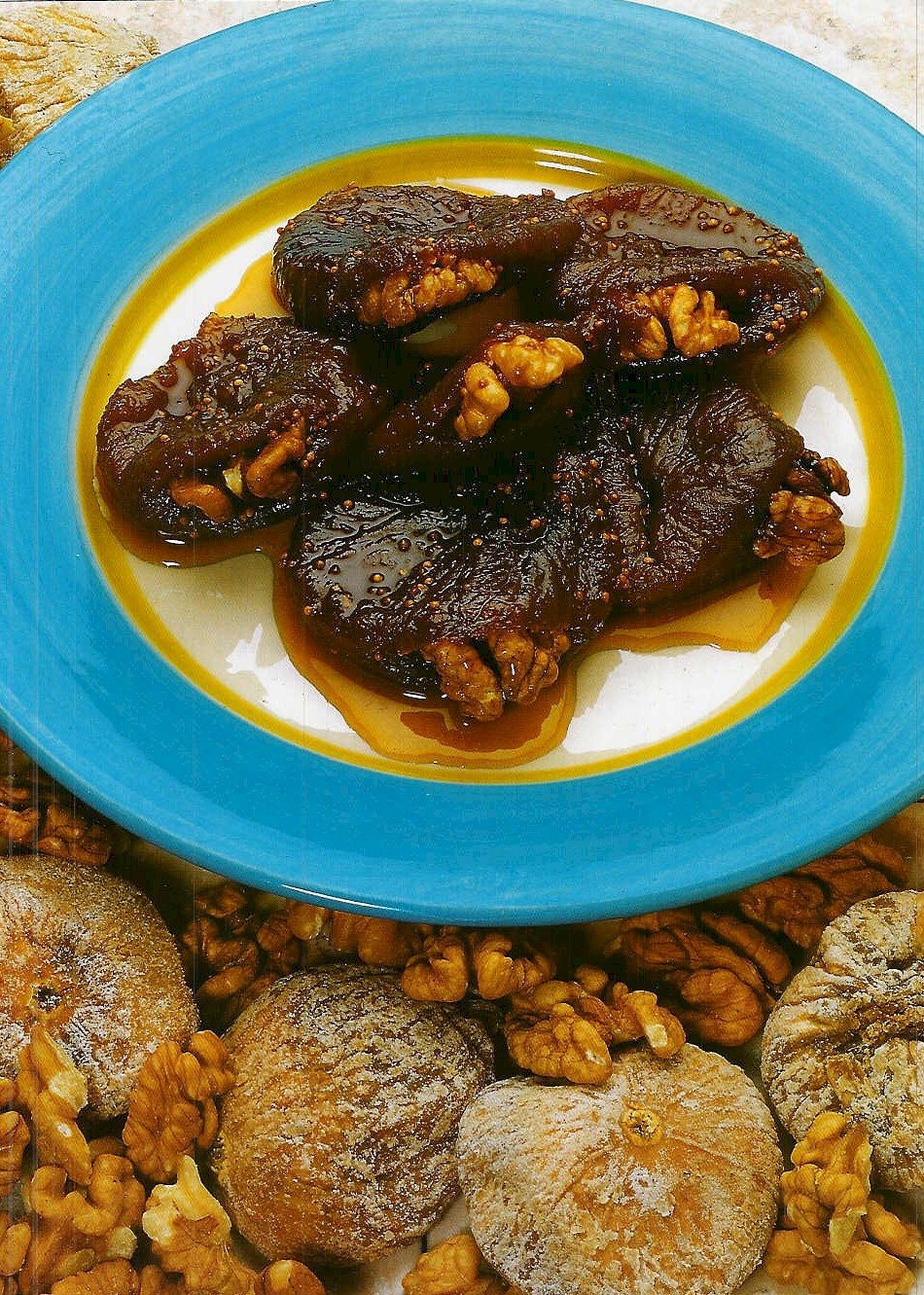 Desserts
may be classified into three groups: syrupy pastries, milk puddings and fruit
desserts. Syrup is prepared by cooking water, sugar and lemon juice then poured
onto baked pastry. Among syrupy pastries, baklava is worth mentioning. Baklava
consists of fifteen layers, eight layers of pastry and seven layers of
pistachio. Regionally filling may be varied with the substitution of hazelnuts
or walnuts. Sekerpare, round pastry with a nut on top; vezir parmagi-finger of
the vizier, shape of a finger; harem navels are interesting varieties.
Desserts
may be classified into three groups: syrupy pastries, milk puddings and fruit
desserts. Syrup is prepared by cooking water, sugar and lemon juice then poured
onto baked pastry. Among syrupy pastries, baklava is worth mentioning. Baklava
consists of fifteen layers, eight layers of pastry and seven layers of
pistachio. Regionally filling may be varied with the substitution of hazelnuts
or walnuts. Sekerpare, round pastry with a nut on top; vezir parmagi-finger of
the vizier, shape of a finger; harem navels are interesting varieties.