
|
|
|
| Welcome to Turizm.net! |
BOREKS AND PASTRIES
Turkish people are seldom satiated without bread. Shortly, a table without bread is a garden without flower, for the Turkish people. Flour symbolises fertility to Anatolian people and brings fertility to tables by means of varieties of boreks, and pastries. A pastry is kneaded from water, flour and salt, then rolled into thin sheets called yufka, which is the basic ingredient in a borek, By adding vinegar, olive oil, eggs, milk, yoghurt or butter, different kinds of pastries may be kneaded to combine with fillings of minced meat, white cheese, spinach, poultry, fish and other vegetables which is then called a borek, Boreks are classified according to cooking-folding method, type of dough and filling. Potato arm borek is folded in a shape of long cylinder and placed in tray a little twisted and baked; cigarette borek is in shape of a cigarette and fried; zucchini borek is made by placing whole yufkas onto tray, spreading grated zucchini in between and baking. The most popular example is the water borek, Rather coarse yufkas are boiled in salty water and laid on a tray with fillings of white cheese, spinach or minced meat then baked in the oven after being sprinkled with considerable butter. Another example is manu which needs skill and patience, made best at Kayseri. Manti resembles Italian ravioli but the filling is necessarily onion and minced meat, not vegeables. Manti is eaten as main dish and served with a helping of garlic yoghurt and red pepper sauce. If you come to Istanbul and see gulls eating simit-sesam seed pastry, thrown by passengers of Bosphorus steamer, do not be surprised. Pastry addiction is reflected to animals.
|
||
|
|
|
Home |
Turkey I
Cities & Sites
I Hotels I
Blue Cruise
I Tours I
Contact Us |
Search I
Ask for a quote to compare:
Cruises I
Biblical Tours I
Incentive Travel I
Hotels I
Transfers
Copyright � 1995-2016 Turizm.net
All rights reserved.
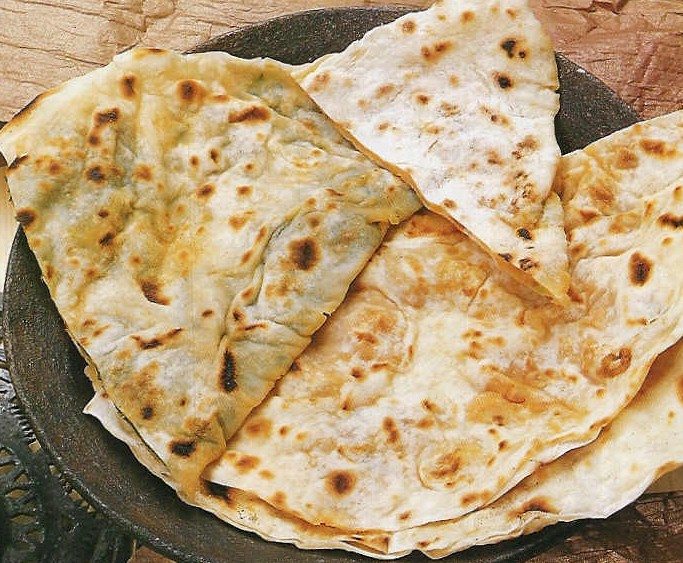 Flour and everything made of flour is
sacred in Turkey. It is a sin to throw bread into waste and if it falls down,
it is kissed and picked up.
Flour and everything made of flour is
sacred in Turkey. It is a sin to throw bread into waste and if it falls down,
it is kissed and picked up.